


Among many urinary system diseases, female cystitis is the most common pathology.The etymology is due to damage caused by the inflammatory process to the upper mucosal layer of the lining of the bladder.Sometimes, the injury process involves the submucosa and muscle layers, leading to changes in the tissue structure of the organ and disruption of its function.
Women are more likely to develop cystitis (80% of all patients).This is due to the unique anatomy of the female urethra.It is wider and shorter than the male urethra and does not present difficulties for the source of infection.
The clinical manifestations of the disease can be acute or chronic, with a variety of signs and symptoms.
Causes of cystitis
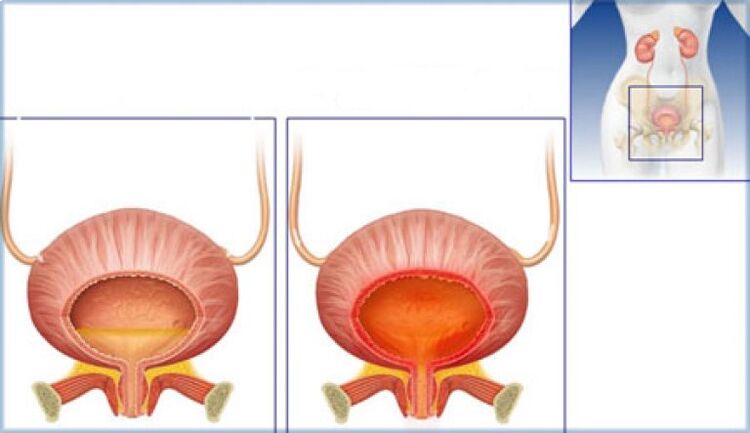
Cystitis itself belongs to the classification of infectious diseases.Its occurrence is related to bacterial carriers: coliforms (70%), staphylococci and other bacteria.The main cause of cystitis in women is the spread of infection caused by possible lesions in the body:
- in underlying organs (various forms of vulvovaginitis);
- Descending route of urine from the inflammatory focus of the kidneys and upper ureters;
- By promoting hematogenous spread of pathogens (through the bloodstream).
Usually, acute cystitis in women is caused by structural dysplasia of the urinary system or tumors that cause obstacles to the normal urination process, leading to acute retention of urine in the urinary system and infection.
The development of the pathology is influenced by several factors that lead to a decrease in the overall resistance (resistance) of the immune system:
- Previous acute and chronic infectious diseases - inflammation of the adnexa, fallopian tubes or ovaries, acute or suppurative pyelonephritis, inflammation of the urethra;
- Hypothermia and long periods of sedentary work;
- Conditions and diseases that reduce immune protection (pregnancy and diabetes);
- Focus of chronic infection - sore throat, rhinitis or dental caries;
- Immunosuppressive drugs, nervous system stress and instability;
- Back injuries;
- early sexual intercourse;
- Neglect of hygiene;
- age factor.
Forms and manifestations of cystitis
Cystitis in women can manifest in many forms due to morphological changes in the bladder wall.
- Catarrhal pathology is characterized by congestion and swelling of the mucosal layers of organ membranes caused by inflammatory processes.
- In the hemorrhagic form, areas of damage and bleeding appear on the mucosa.Polycythemia and gross hematuria (dark or red urine).
- In the necrotic (ulcerative) form, deep depressions in the form of grooves penetrating into the musculature of the membrane are noted.
- The follicular form of the disease is characterized by mucosal nodules, which result from the formation of submucosal follicular nodules that do not alter the cavity surface itself.
- Fibrous appearance - The mucous layer is covered with a white or purple purulent or fibrinous film.The bladder wall becomes inflamed and the upper layer of the cavity becomes denser and wrinkled.
- Bullous cystitis is characterized by chronic excessive redness and a significant accumulation of infiltrates (swelling) in the upper lining of the bladder.
- Polyp manifestations are characterized by a long-term inflammatory process that causes the development of polyps in the mucosal layer and in the neck region of the organ.
- In cystic pathology, single or clustered cystic tumors form under the mucosal layer of the bladder, filled with lymphoid tissue and surrounded by modified epithelium.
- Crusted pathology is characterized by a longer course.A classic symptom is the formation of phosphate deposits (crusts) on the walls of the bladder cavity, which subsequently lead to the formation of stones.The conversion of urea (urea) into alkali occurs due to the malfunction of bacterial microorganisms with metabolic capabilities.
Signs and symptoms of cystitis in women
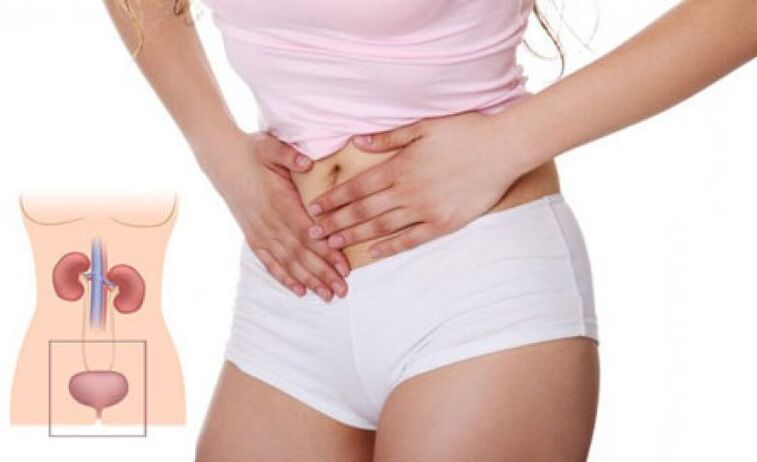
In acute cases, clear symptoms of cystitis in women and clear signs of the disease can be observed, accompanied by systemic intoxication (malaise, weakness, chills, vomiting or nausea, slight increase in body temperature).
When the disease is in remission (significant recovery) and then relapses periodically (more than twice a year), it enters the chronic phase.Symptoms of chronic cystitis in women may be less obvious.
The inflammatory process alternates with remission phases and acute clinical processes.Cystitis in remission does not show external signs and symptoms.As the disease progresses, a number of characteristic symptoms appear:
- Increased need to urinate (every 20 minutes);
- Urethral pain, burning, and stinging during urination;
- Pain in the suprapubic area (can be an independent symptom or accompanied by urination);
- Urine has an unpleasant odor and is cloudy, and flakes, purulence, or blood clots form in the urine;
- There is a feeling of residual urine in the urine bag;
- pain in the waist and kidney area;
- Enuresis (urinary incontinence) may occur.
chronic cystitis in womenThere are various signs of the clinical course of the disease.
- The latent course of the disease is stable, with rare or frequent exacerbations.Symptoms are "eliminated" or disappear completely.
- The persistent form presents symptoms characteristic of chronic pathology.In this case, the functionality of the urinal is not compromised.Remissions and exacerbations alternate, and there may be signs of bleeding within the organs.
- The interstitial course is characterized by stable pain and marked symptoms.Inflammation spreads deep into the tissue, which is a storage dysfunction (enuresis).This is the most serious type of disease.
If treated promptly, the disease can be controlled quickly, otherwise complications cannot be avoided.
Likelihood of complications
Lack of treatment or incorrect choice of treatment can lead to disease recurrence and complications:
- Transformation of the inflammatory process into the muscular structure of the bladder wall - the development of interstitial-type pathology.
- The infection spreads upward, affecting the overlying organs of the urinary system, leading to the formation of associated background lesions - renal pelvic damage, purulent inflammation of the kidneys, etc.
- Intraperitoneal rupture of the bladder (not excluded) with subsequent development of peritonitis.
Cystitis - Which Doctor Should Women Contact?
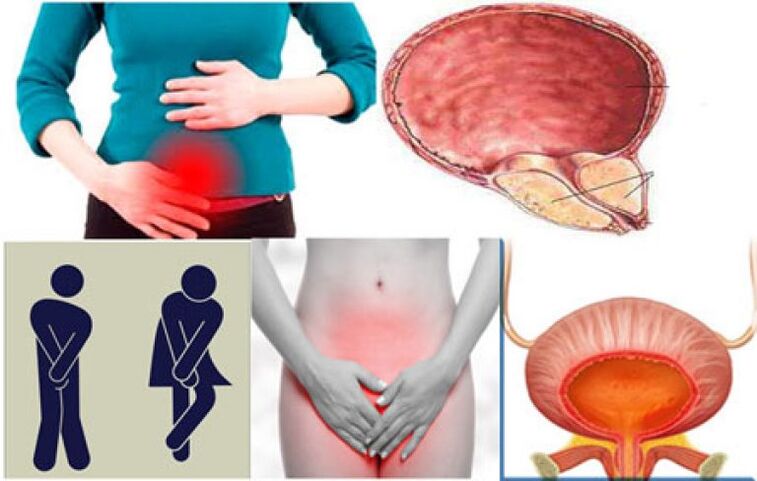
If signs of disease appear, you must consult a urologist to confirm the diagnosis.It was this doctor who solved urological problems.
In order to rule out the consequences of sexually transmitted diseases, you need to consult a gynecologist.You may need a vaginal flora smear, which will help identify the disease and determine its stage of development.
Diagnosis - identifying disease
To identify this disease, various types of diagnostic tests are available, from rapid diagnostics to routine testing methods, including:
- Testing of blood and urine parameters;
- Identify hidden inflammatory processes in the urinary system;
- Diagnosis of infectious diseases using PCR analysis;
- Pot sowing of flora - detection of UPM (bacteria);
- Identify underlying disease - genitourinary ultrasound;
- Vaginal dysbiosis analysis;
- biopsy;
- Endoscopy of the lining of the bladder (cystoscopy).
How to treat cystitis in women?- Medicines and medicines

How quickly cystitis in women heals depends on a properly formulated treatment plan.Treatment strategies include a variety of treatment techniques.
Medical treatment includes prescribing appropriate antibiotics for women with chronic cystitis to suppress concomitant infections - a combination of a class I cephalosporin and a protected penicillin.
Prescribe immediately without waiting for the pathogen to be identified and the medication to be adjusted later.
The main treatment is tableting.When treating cystitis in women, pills can be taken to relieve symptoms.These drugs include nitrofuran- and sulfonamide-based anti-inflammatory and immunomodulatory agents, antispasmodics, and uroseptics.As additional treatment, antispasmodics and natural uroseptics (herbal, herbal, etc.) can be prescribed.
Specific medications are purely prescribed individually.As many of these drugs have numerous contraindications and limitations to their use.If you follow a gentle treatment regimen and a balanced diet, the treatment will be complete as diet plays an important role.
- It is necessary to drink more fluids (still water, juice);
- Eat more foods containing vitamin C;
- The diet excludes bacon, spices, fried foods, potassium-rich dishes (dishes made from cottage cheese, cheese and milk);
- Alcohol is not allowed.
Measures to prevent cystitis
To prevent recurrence of the disease, you should strictly follow your doctor's advice.Basic rules:
- Avoid hypothermia and prolonged sitting;
- Consumption up to 1.5 liters.daily fluids;
- Avoid urinary stagnation (do not tolerate urinary urgency);
- In intimate relationships, take protective measures;
- Don't neglect personal hygiene (especially during the menstrual cycle).
Following these simple rules will protect you from having to deal with the disease again.